
FUE Scarring: What You Need to Know
Understanding the permanent marks left by hair transplant surgery.
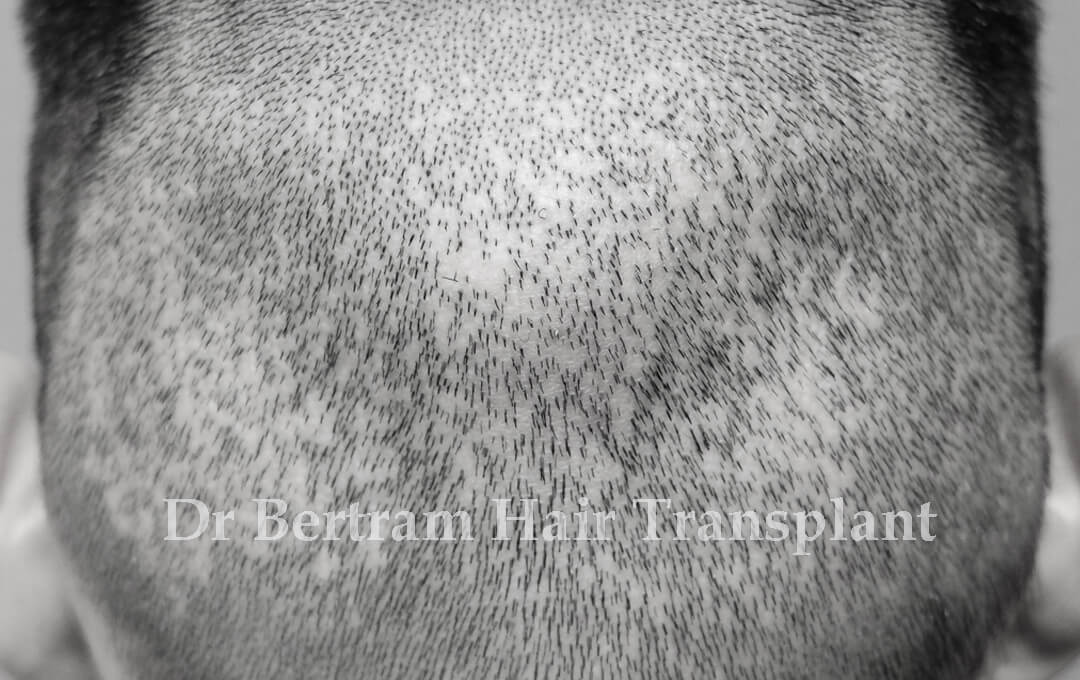
The Reality of FUE Scarring
FUE was developed to avoid the long linear scar of the older FUT (strip) method. However, FUE leaves its own marks — small round scars where each graft is removed.
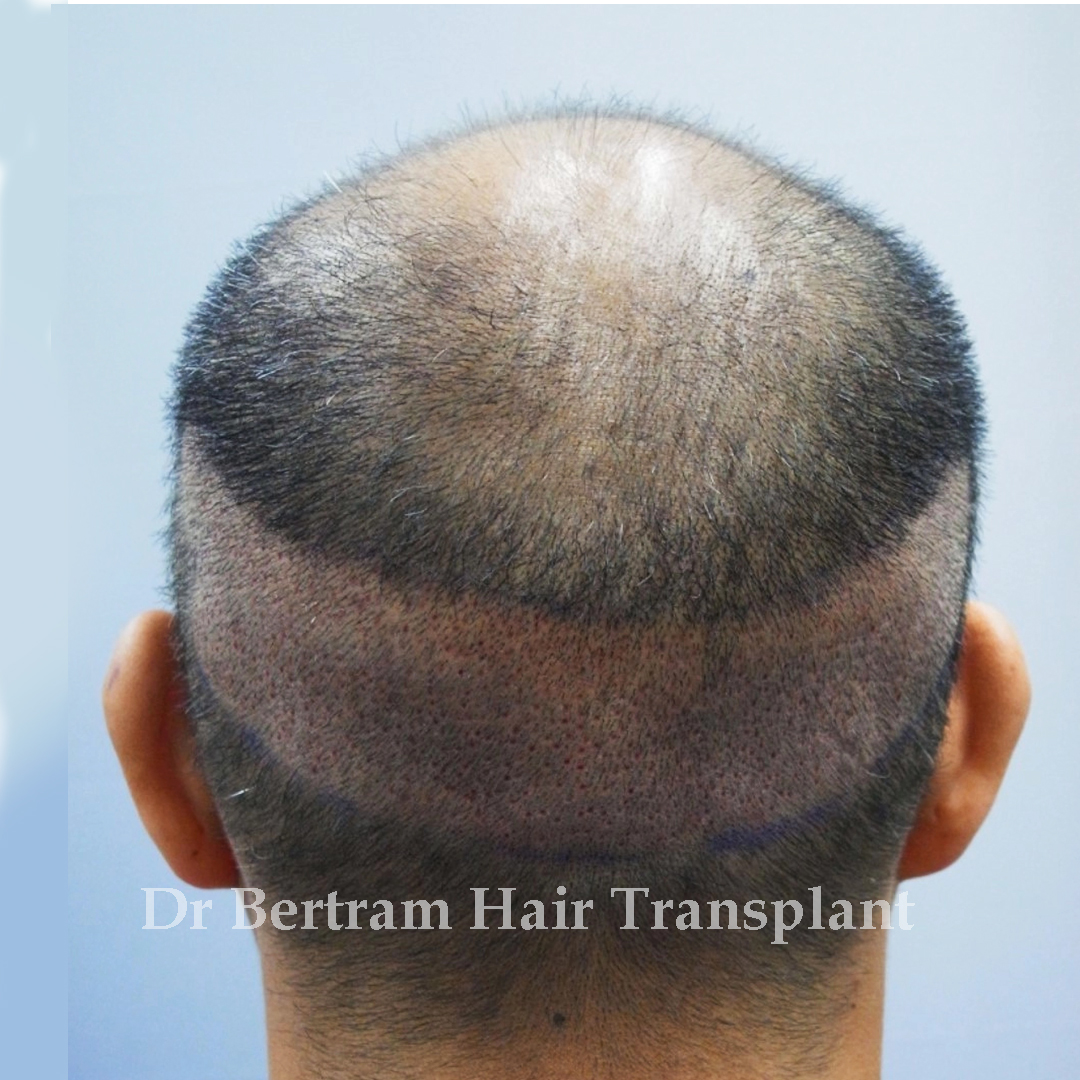
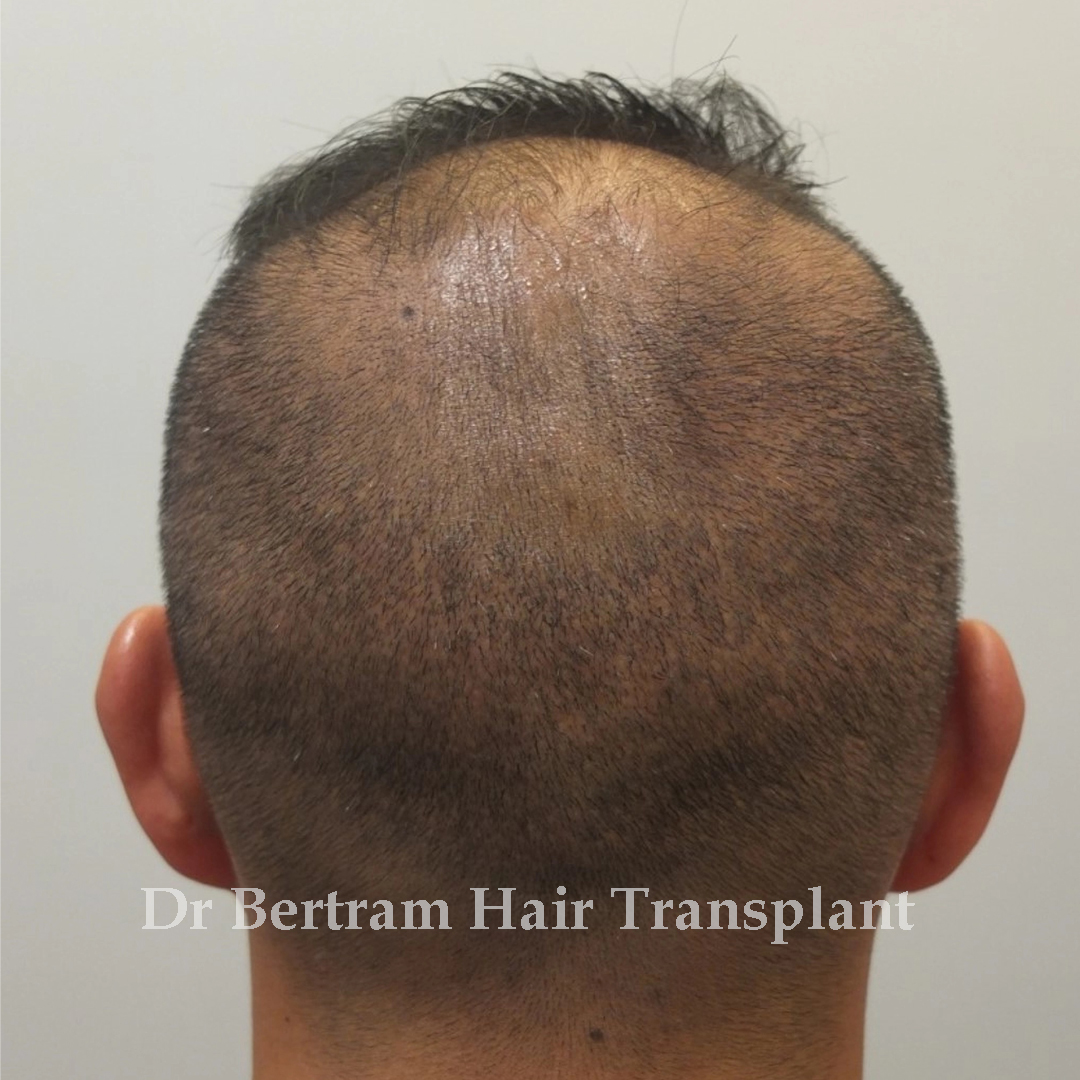
These scars are usually tiny (about 0.8mm) and can be hidden by surrounding hair. But when too many grafts are taken too close together, the scars merge into larger, visible patches. This is called donor depletion or the "moth-eaten" look.
The key point: FUE is not scar-free. It is scar-minimising, provided the surgeon plans the extraction carefully.
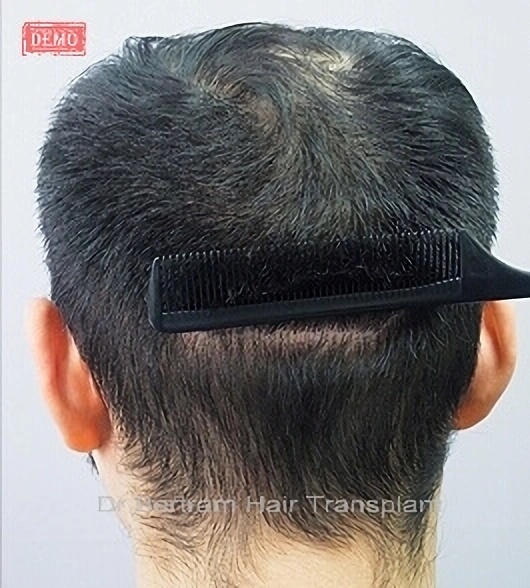
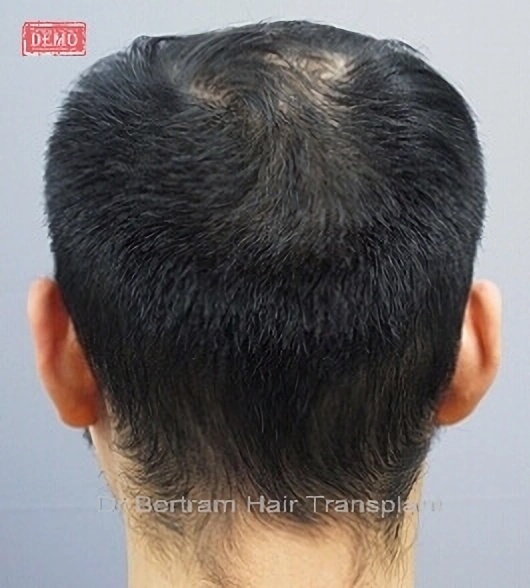
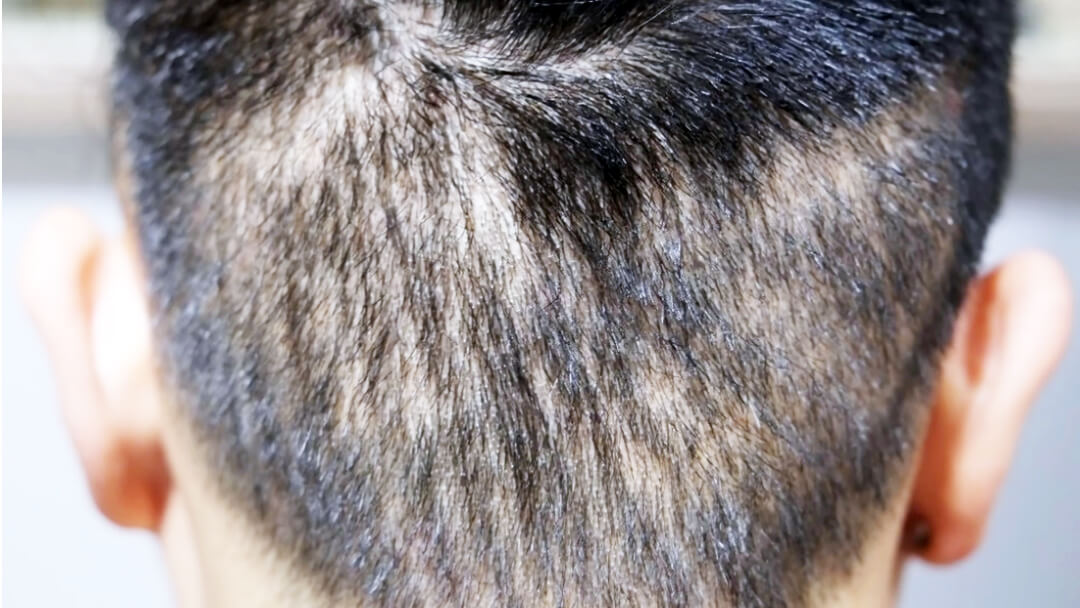
Why Over-Harvesting Happens
When grafts are taken too close together, the skin between them loses blood supply and dies. Two small scars merge into one larger scar. This creates a visible "gap" that no amount of hair can fully hide.
This is why high-density harvesting leads to the "moth-eaten" look. The more grafts taken from a small area, the more visible the scarring becomes.
Simple rule: The more grafts per square centimetre, the more visible the scarring.
The Punch Size Myth
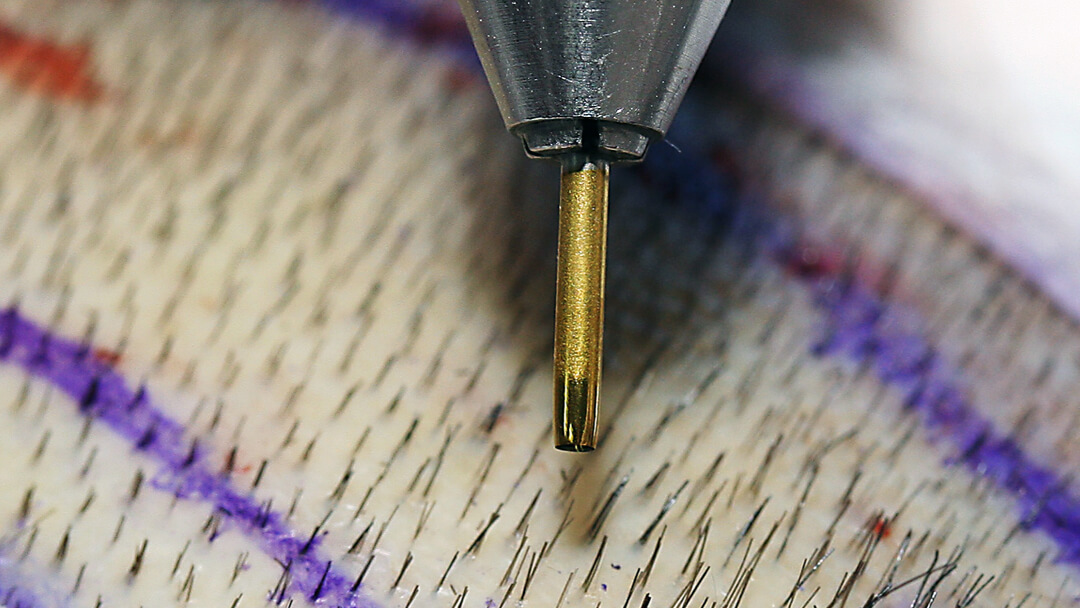
According to studies by Dr. Beehner, using a punch that is too small for the follicle can damage the stem cells in the outer root sheath. This leads to poor growth and requires additional grafts to replace the failed ones — creating more scars.
For Asian patients, a larger punch (often 0.8mm) may be more appropriate to preserve the follicle while still minimising scarring.
Key takeaway: Smaller is not always better. The right size depends on the patient's hair characteristics.
Chinese Patients: Higher Scarring Risk
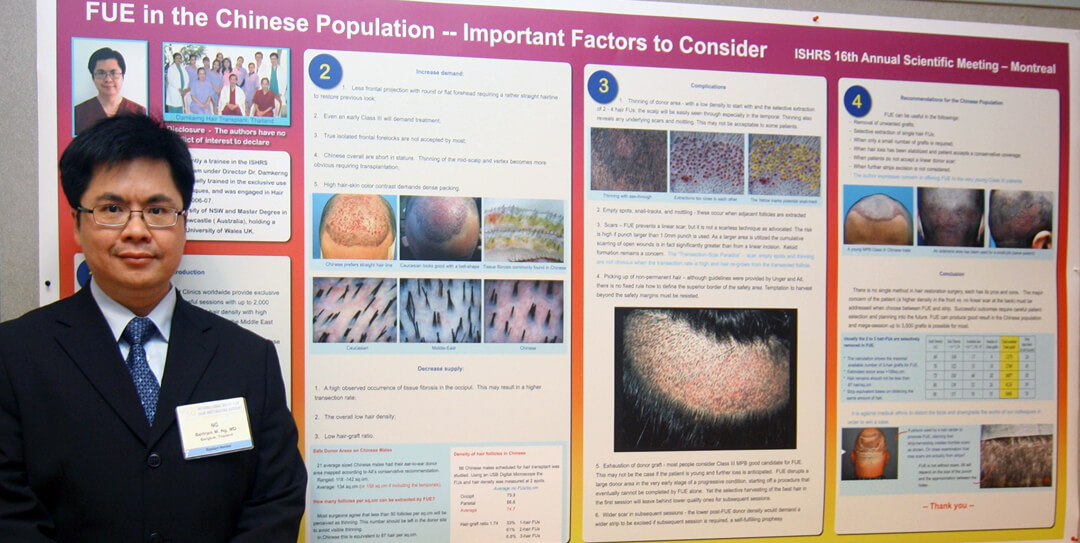
Chinese patients face specific risks that are often overlooked:
- High colour contrast: Dark hair against pale scalp makes white dots more visible.
- Lower donor density: Many Chinese patients have fewer follicles per square centimetre. Over-harvesting causes visible thinning.
- Scarring tendency: Some Asian patients have a higher risk of abnormal scarring (keloids).
How to Avoid Donor Scarring
Use Only the Necessary Number of Grafts
The goal is not to extract as many grafts as possible. The goal is to achieve aesthetic balance with minimal donor damage.
Use a Key Area Transplant Strategy
Focusing on areas that frame the face — the hairline and frontal region — gives the greatest visual impact with fewer grafts.
Consider SMP for Existing Damage
If you already have visible FUE scars, Scalp Micropigmentation (SMP) can camouflage the white dots by matching them to your scalp tone.
What to Remember
If a consultant promises "no visible scars" or pushes for a very high graft count, proceed with caution. These are warning signs.
The hard truth
Deciding which grafts to take is more important than how fast they are extracted. Taking every graft in sight leads to a depleted donor area. True skill lies in knowing when to say "no" to a graft to preserve the surrounding area.
FUE scarring is permanent. Choose a centre that prioritises long-term donor preservation over short-term sales targets. Your future self will thank you.