
Donor Depletion: Risks of Over-Harvesting
The donor supply is finite. Irreversible over-harvesting must be prevented through ethical surgical planning.
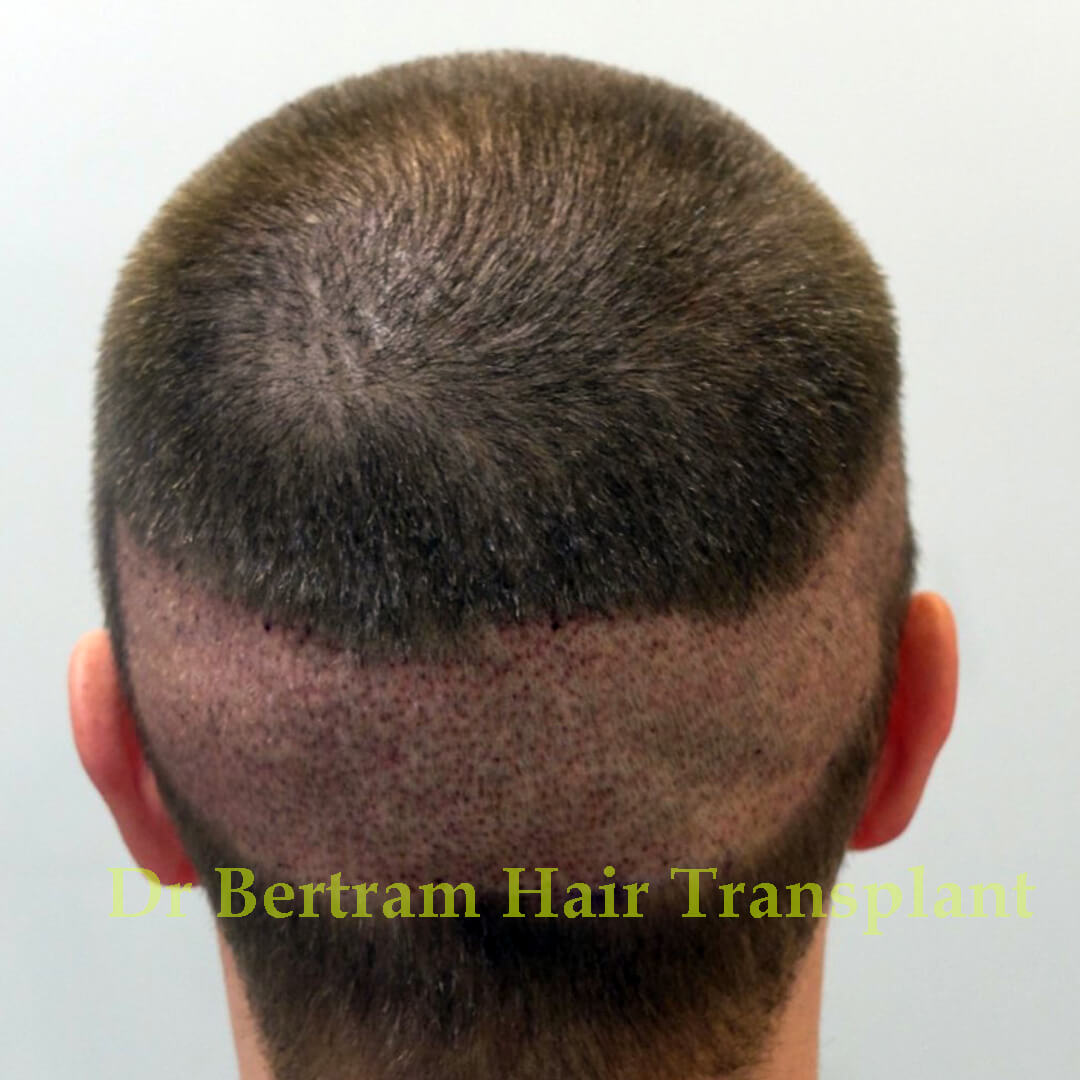
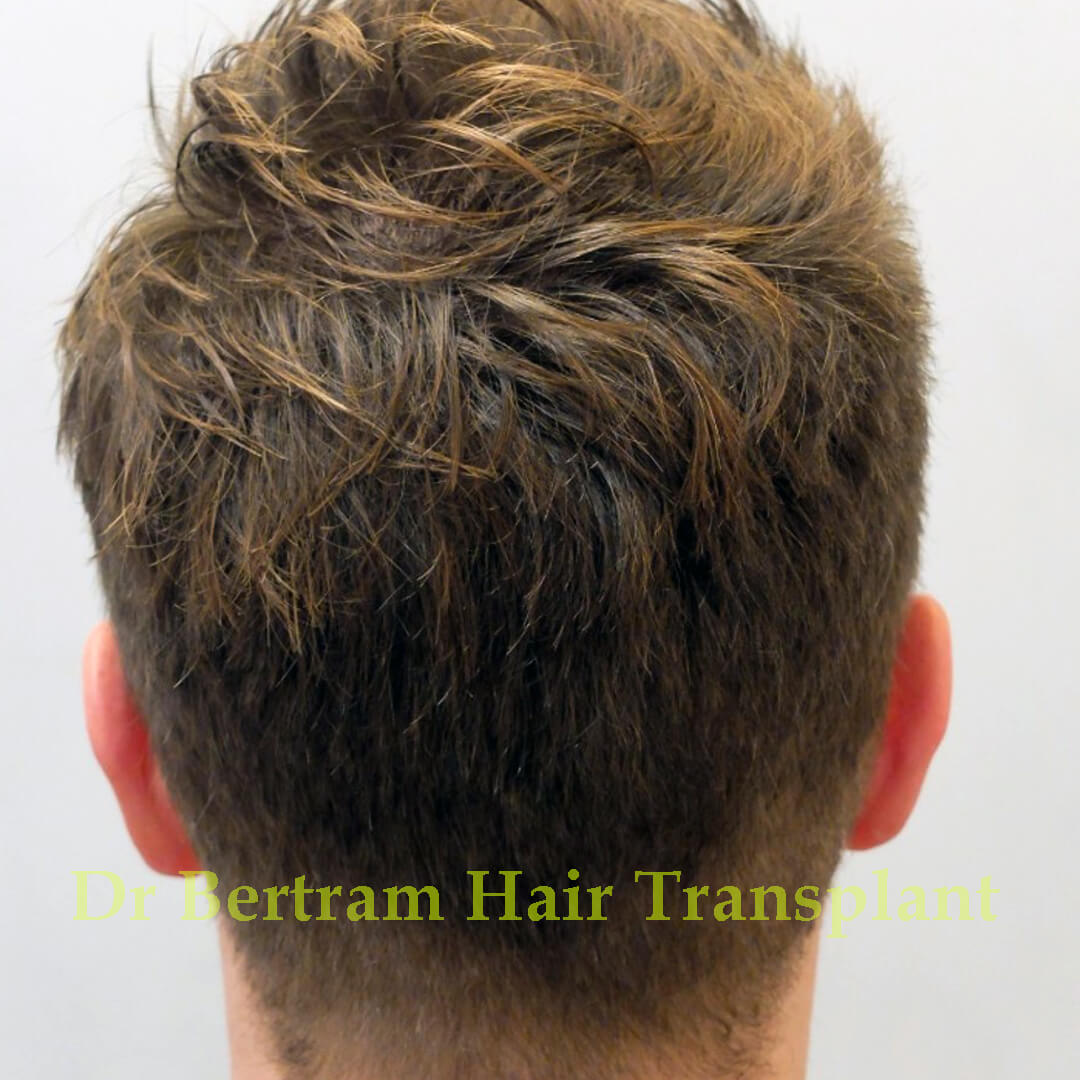
What Is the Safe Donor Zone?
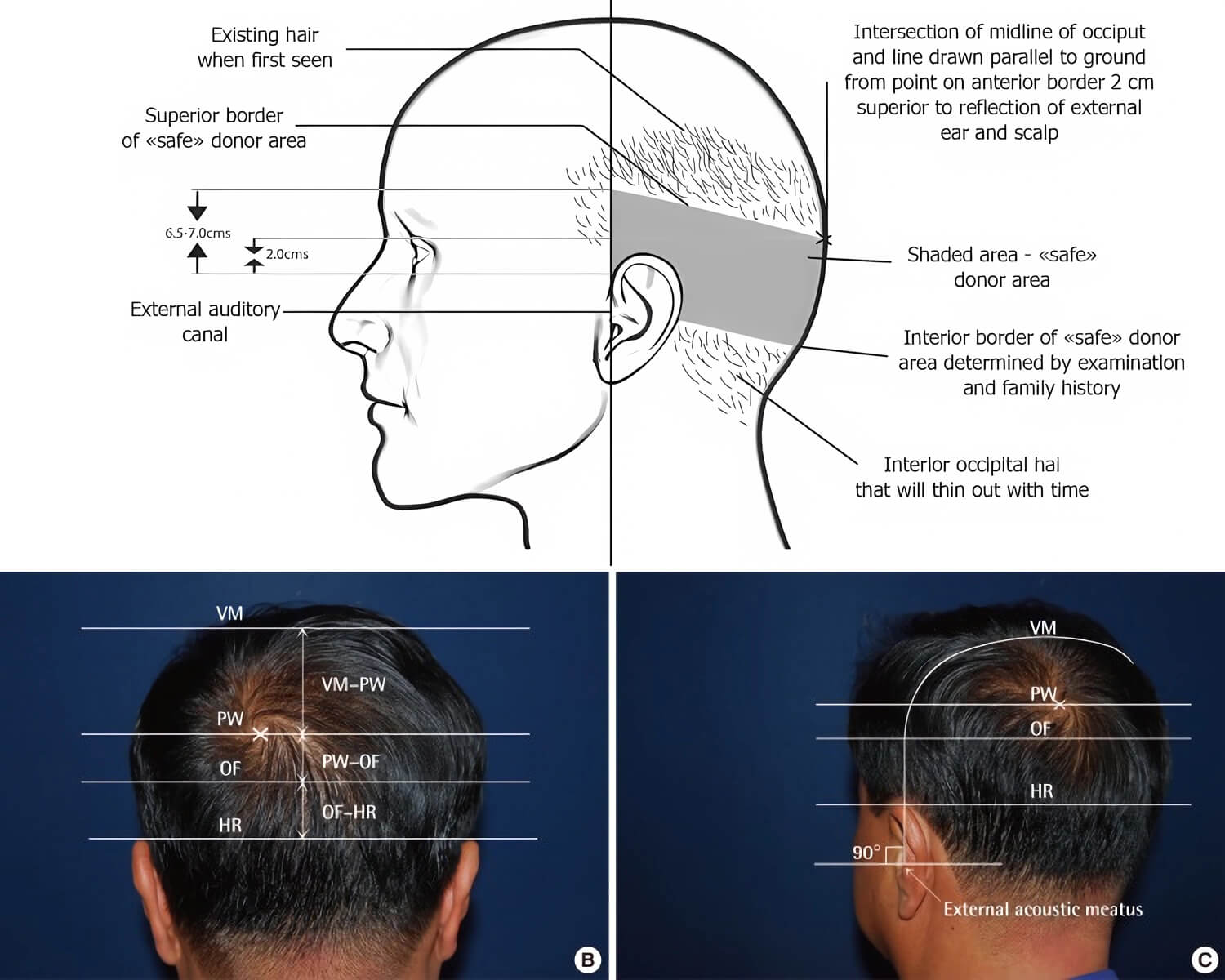
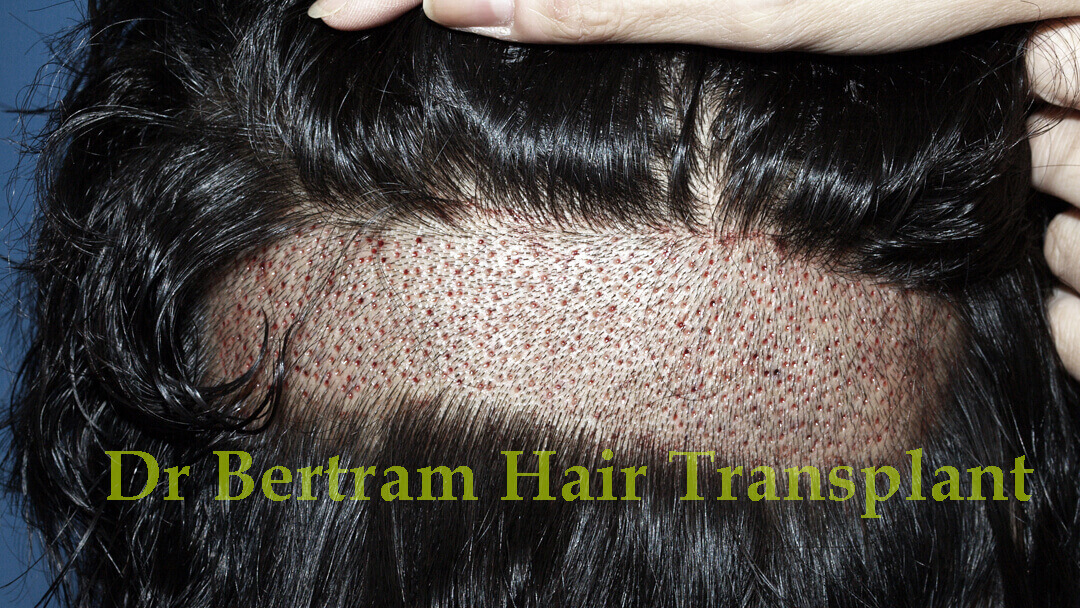
The Safe Donor Zone (SDZ) is the specific area on the back and sides of the scalp where hair follicles are genetically programmed to resist DHT and last a lifetime. Harvesting outside this zone is a critical error.
Characteristics of the SDZ
- Individual Variability: The boundaries of the SDZ vary by person. In some individuals, the zone is narrow; in others, it extends higher. It must be mapped individually using densitometry and family history analysis.
- Standard Guideline: Typically, the upper border lies approximately 5.5–6 cm above the occipital protuberance (neck hairline). However, this is a general rule, not an absolute limit.
- Progressive Loss Consideration: As male pattern baldness advances (Norwood Scale VI-VII), the safe zone may effectively shrink. Conservative planning assumes future progression to avoid harvesting hair that may miniaturize later.
Clinical Consensus: Harvesting from outside the SDZ risks transplanting hair that will eventually fall out, leading to poor long-term results and wasted grafts.
Reference: Pak JH, et al. Predicting the Permanent Safe Donor Area for Hair Transplantation in Koreans. Arch Plast Surg. 2014.
How Does FUE Increase the Risk of Over-Harvesting?
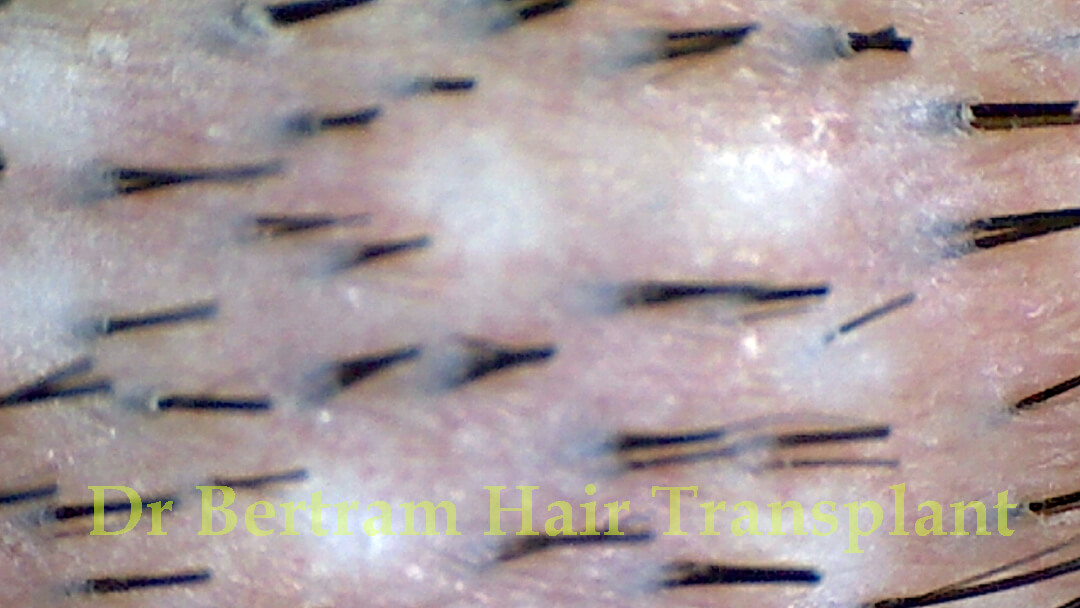
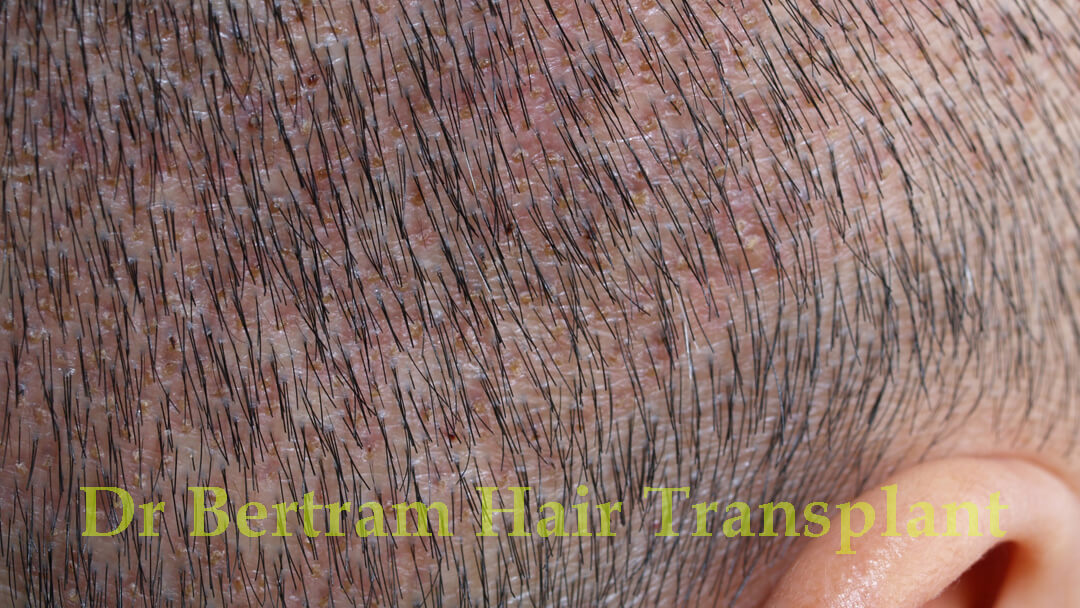
Follicular Unit Extraction (FUE) offers the advantage of no linear scar, but it introduces unique risks regarding donor management compared to the strip method (FUT).
The Dispersion Challenge
- Larger Surface Area: To obtain a high graft count via FUE, follicles must be harvested from a much wider area than with FUT. This increases the temptation to extend extraction beyond the Safe Donor Zone.
- Hidden Damage: Unlike a linear scar which is contained, over-harvesting in FUE creates diffuse thinning across the entire donor zone. This "see-through" effect is often irreversible and highly visible with short hairstyles.
- Transection Risks: Improper punch alignment can sever adjacent follicles that are not intended for extraction, effectively destroying two follicles to save one.
Ethical FUE practice requires strict adherence to density limits per square centimeter to ensure the donor area retains enough coverage to look natural even after healing.
What Is Donor Depletion?
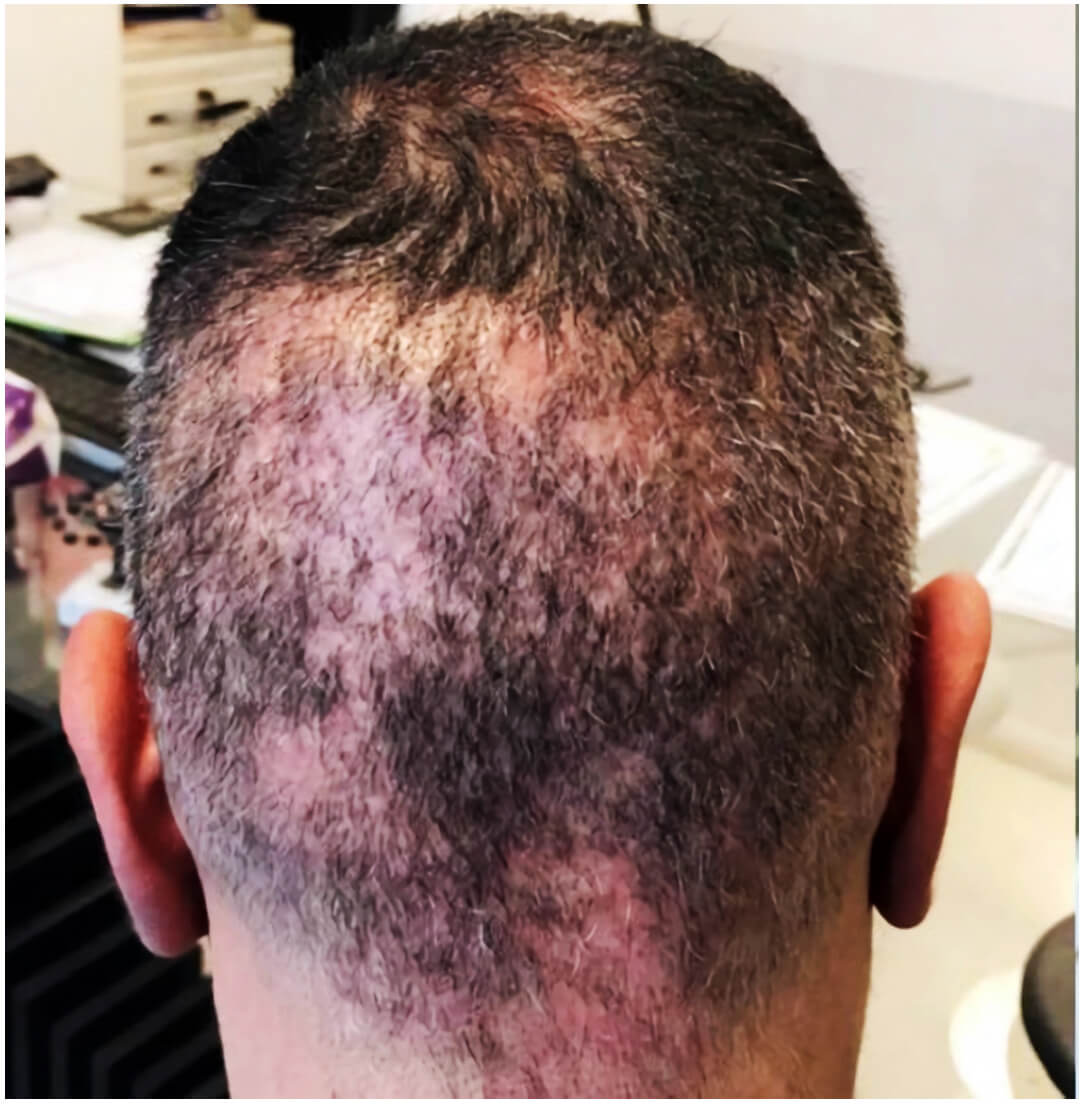
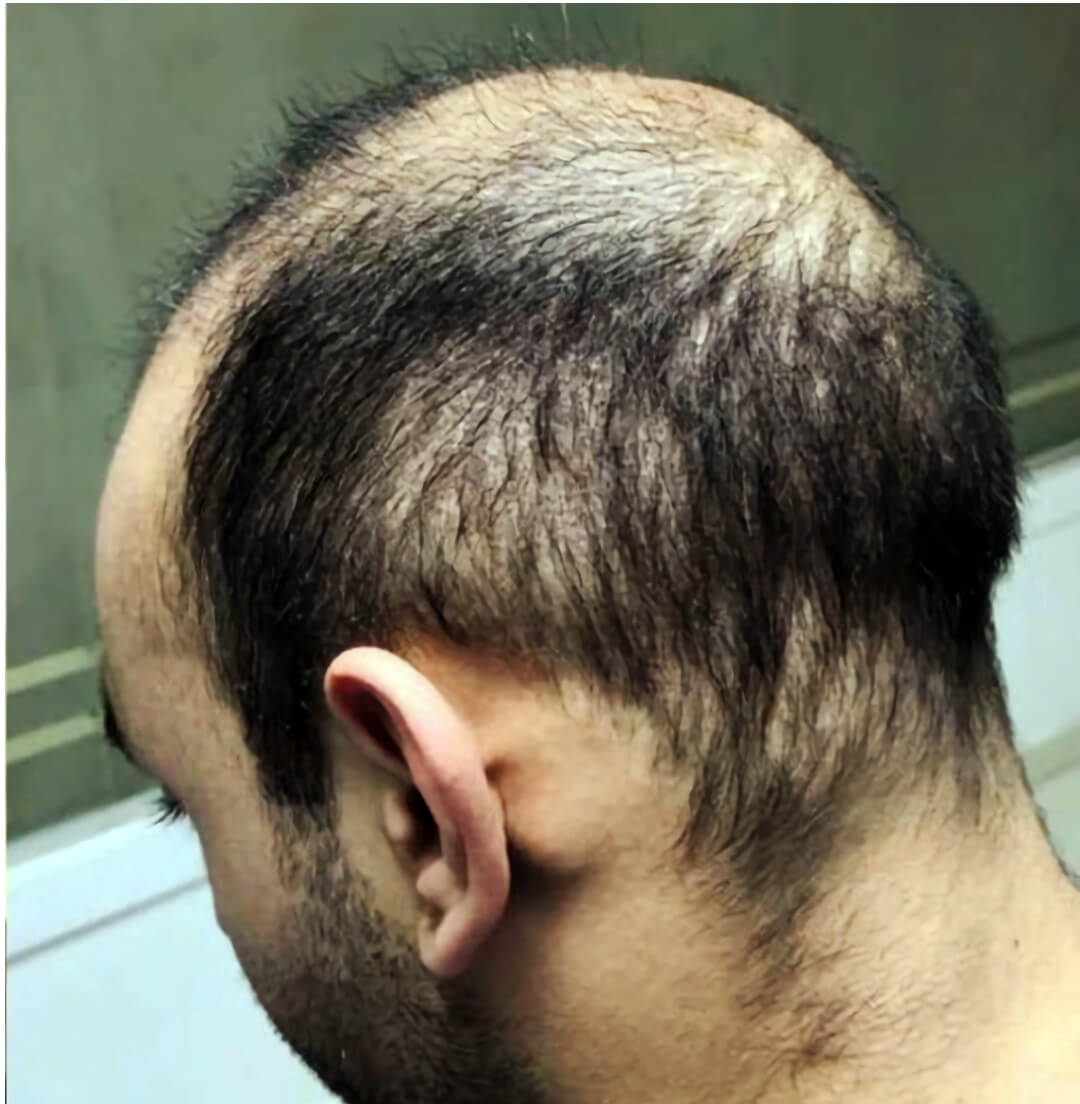
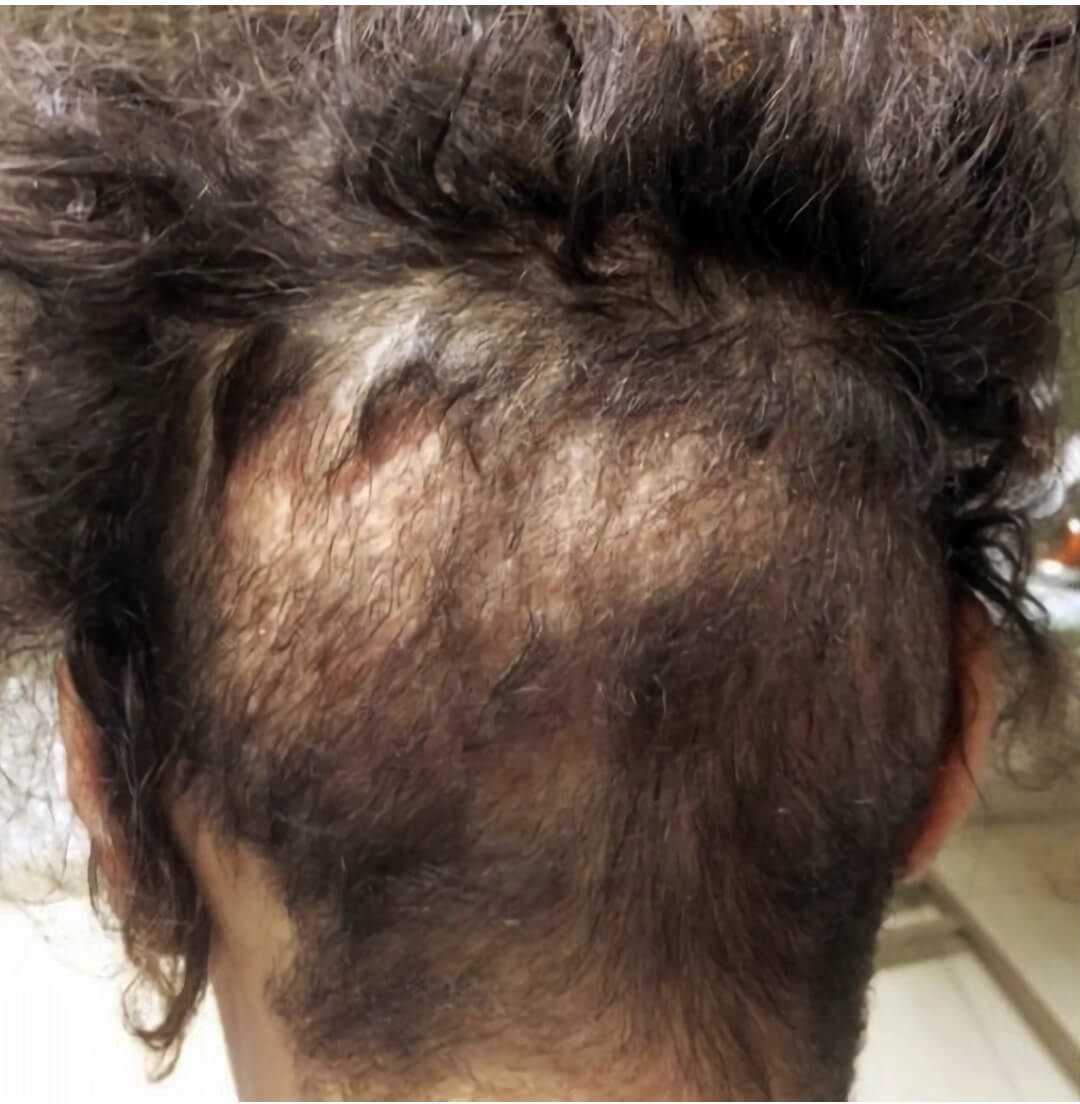
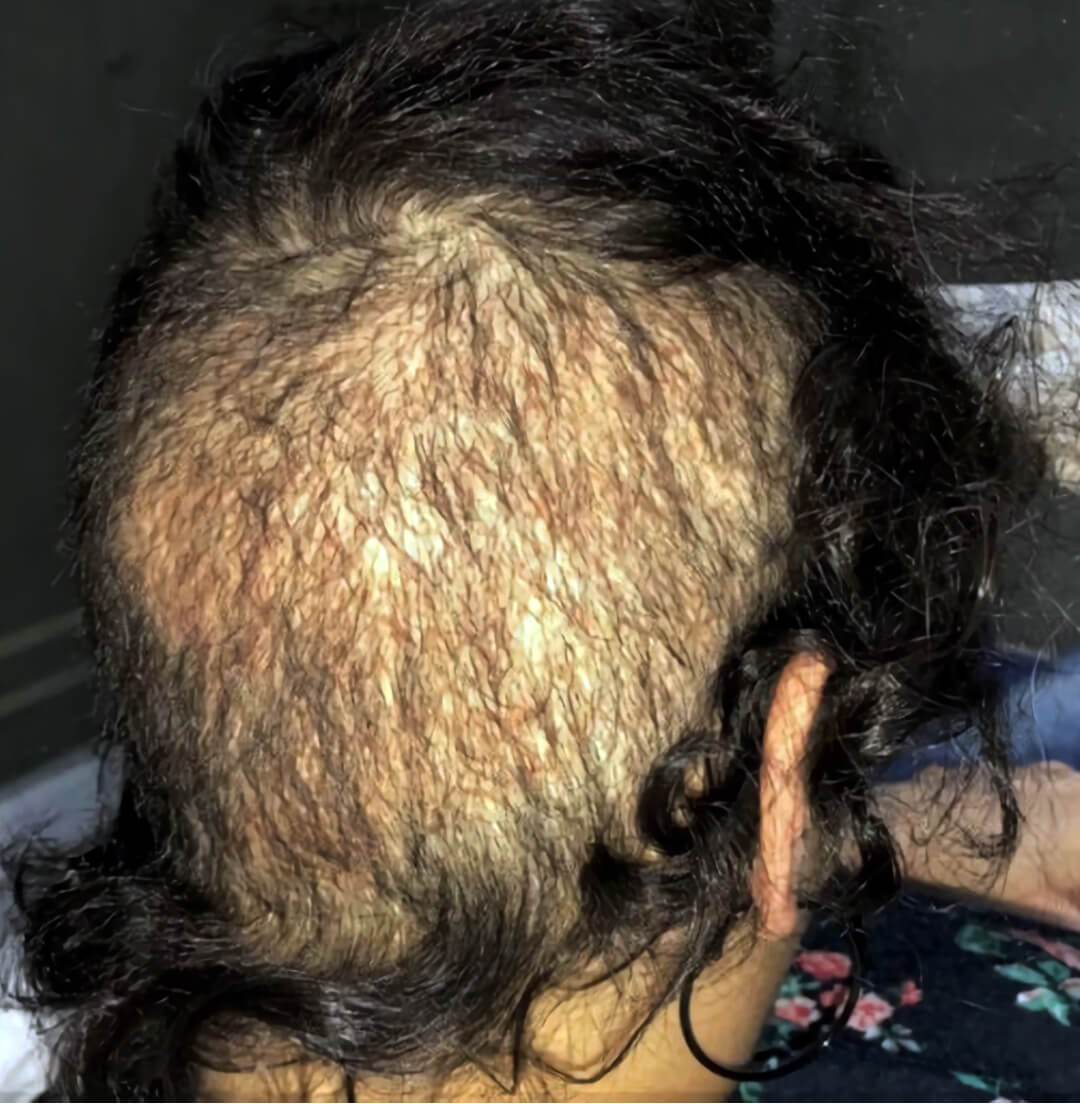
The donor area (occipital and temporal regions) contains a finite supply of permanent, DHT-resistant hair follicles. Donor depletion occurs when extraction exceeds the safe capacity of this zone, resulting in visible thinning, patchiness, or extensive scarring.
Consequences of Over-Harvesting
- Visible Patchiness: The back and sides appear "moth-eaten" or transparent, especially when hair is worn short.
- Loss of Future Options: Once the donor supply is exhausted, no further transplantation is possible, even if balding progresses in the recipient area.
- Irreversible Damage: Unlike recipient area issues, donor depletion cannot be corrected by additional surgery because there is no remaining healthy hair to move.
Primary Causes
- Excessive Graft Counts: Prioritizing high numbers in a single session over donor integrity.
- Unsafe Harvesting Zones: Extracting follicles from outside the Safe Donor Zone, where hair is not genetically permanent.
- Poor Surgical Technique: Use of large punch sizes or improper angulation causing high transection rates and collateral damage to adjacent follicles.
How Can Donor Depletion Be Prevented?
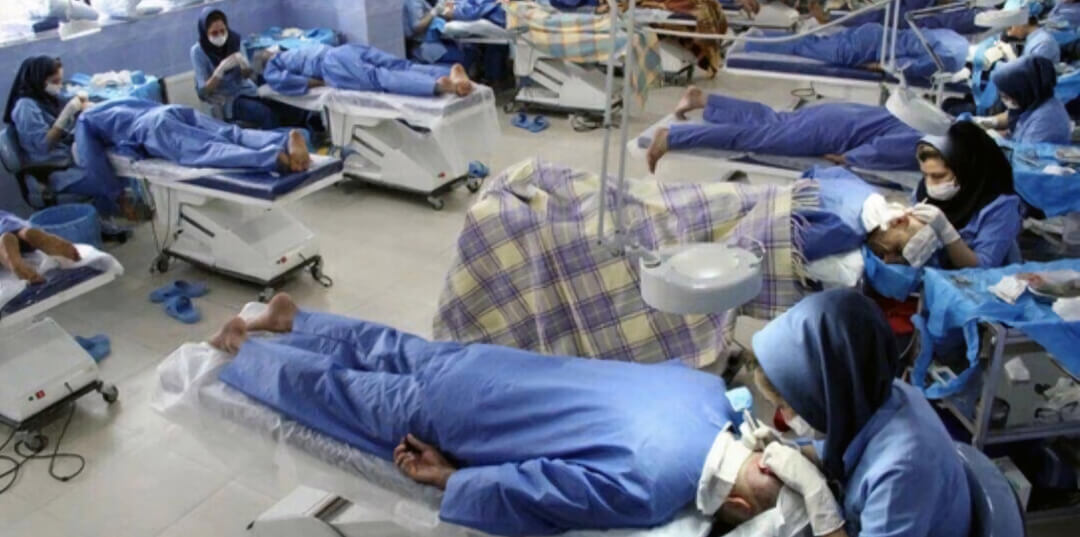
Preventing donor exhaustion requires a shift from maximizing immediate graft counts to preserving long-term donor integrity. This is particularly critical for patients with lower native donor density, such as many Asian individuals.
Essential Prevention Protocols
- Lifetime Graft Budgeting: A comprehensive calculation of the total usable donor supply is performed during consultation. The surgical plan allocates only a portion of this reserve for the current procedure, ensuring sufficient grafts remain for future decades.
- Ultra-Fine Extraction: Utilization of micro-punches (≤0.8mm) minimizes the size of extraction sites, reduces scarring, and preserves the integrity of surrounding follicles.
- Conservative Design: Prioritizing a natural, age-appropriate hairline and core coverage over maximal density. For young patients, a modest initial procedure is often recommended to frame the face while safeguarding the majority of the donor reserve.
- Strict SDZ Adherence: Extraction is strictly confined to the mapped Safe Donor Zone, verified by trichoscopy and family history analysis.
Global Awareness: ISHRS Hair Transplant Repair Day

The International Society of Hair Restoration Surgery (ISHRS) designates November 11th as World Hair Transplant Repair Day. This initiative highlights the growing number of patients suffering from poorly performed procedures.
- Rising Incidence: Donor depletion is a leading cause for repair surgery globally, yet options for correction are severely limited once the donor area is compromised.
- Limited Repair Options: Unlike recipient area corrections, donor depletion often cannot be fixed because there is no remaining healthy hair to harvest for camouflage.
- Medical Mission: The global medical community emphasizes education and ethical standards to prevent these irreversible outcomes before they occur.
Prevention is the only true cure for donor depletion.
Recognition of Surgical Expertise in Repair Cases
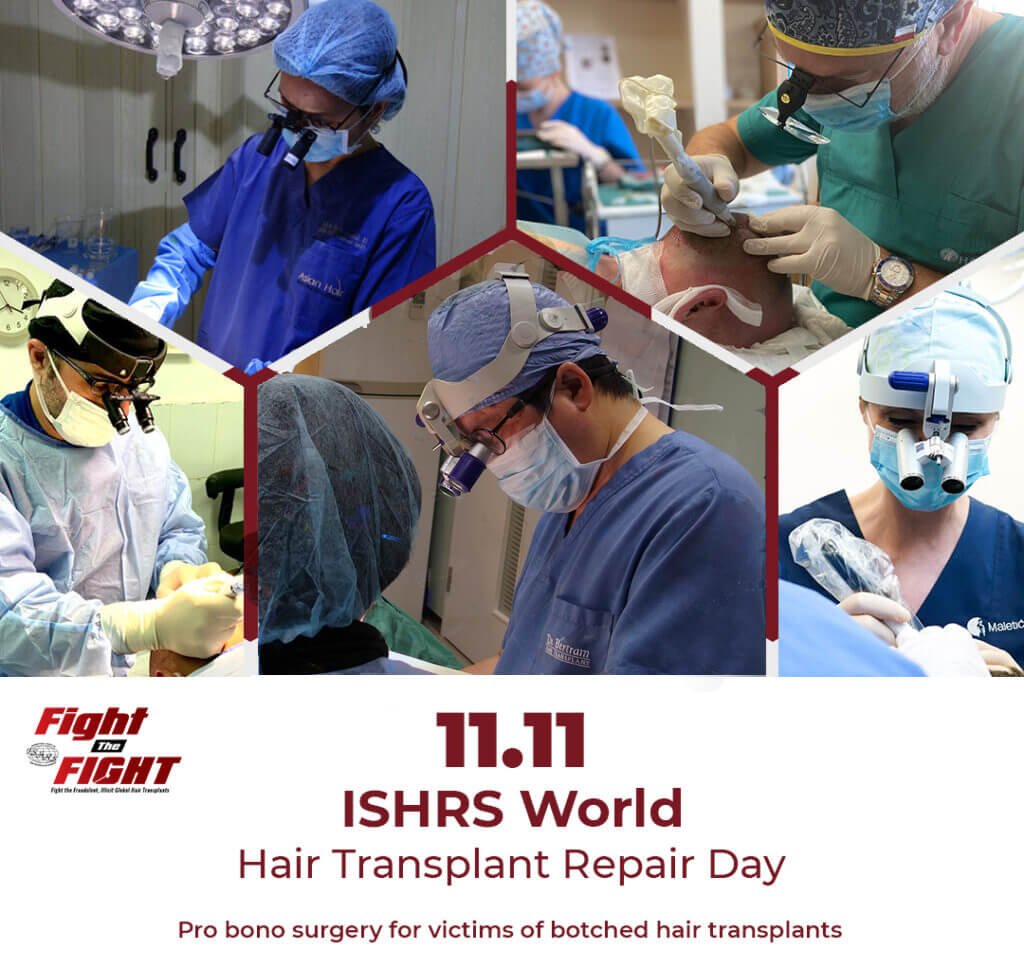
Participation in global initiatives like the ISHRS World Hair Transplant Repair Day is an honor.
A Higher Standard Required For Repair Surgery
Repair procedures are widely recognized within the medical community as technically more demanding than primary transplants. They require:
- Precision in Scarred Tissue: The ability to extract and implant follicles into fibrotic, scarred skin where blood supply is compromised.
- Strategic Camouflage: Advanced artistic planning to conceal previous errors using extremely limited remaining donor reserves.
- Conservative Resource Management: Maximizing every single available graft when the margin for error is non-existent.
A Testament to Technical Skill
This invitation reflects a commitment to upholding international standards of care and contributing to the collective effort of correcting iatrogenic (medically caused) harm. It signifies that the surgical team possesses the refined technical skills and ethical judgment required to manage the most challenging scenarios in hair restoration, validating the clinic's capability to handle complex repair work with precision.
"The ability to repair defines the true master of the craft."
Key Principles of Donor Safety
- Irreversibility: Donor depletion is permanent. Once follicles are over-harvested or destroyed by scarring, they cannot be regenerated.
- Safe Donor Zone (SDZ): Harvesting must be strictly confined to the SDZ to ensure transplanted hair remains permanent and resistant to genetic balding.
- Lifetime Planning: A single session should not exhaust the donor supply. Strategic allocation ensures reserves remain for future hair loss progression.
- Technique Matters: Ultra-fine punches (≤0.8mm) and low transection rates are essential to minimize scarring and preserve surrounding follicles.
- Repair Limitations: Correcting donor depletion is extremely difficult and often impossible, making prevention the only viable strategy.